

What is decided at night
The clarity you bring to a negotiation begins to be built hours earlier, in the dark.
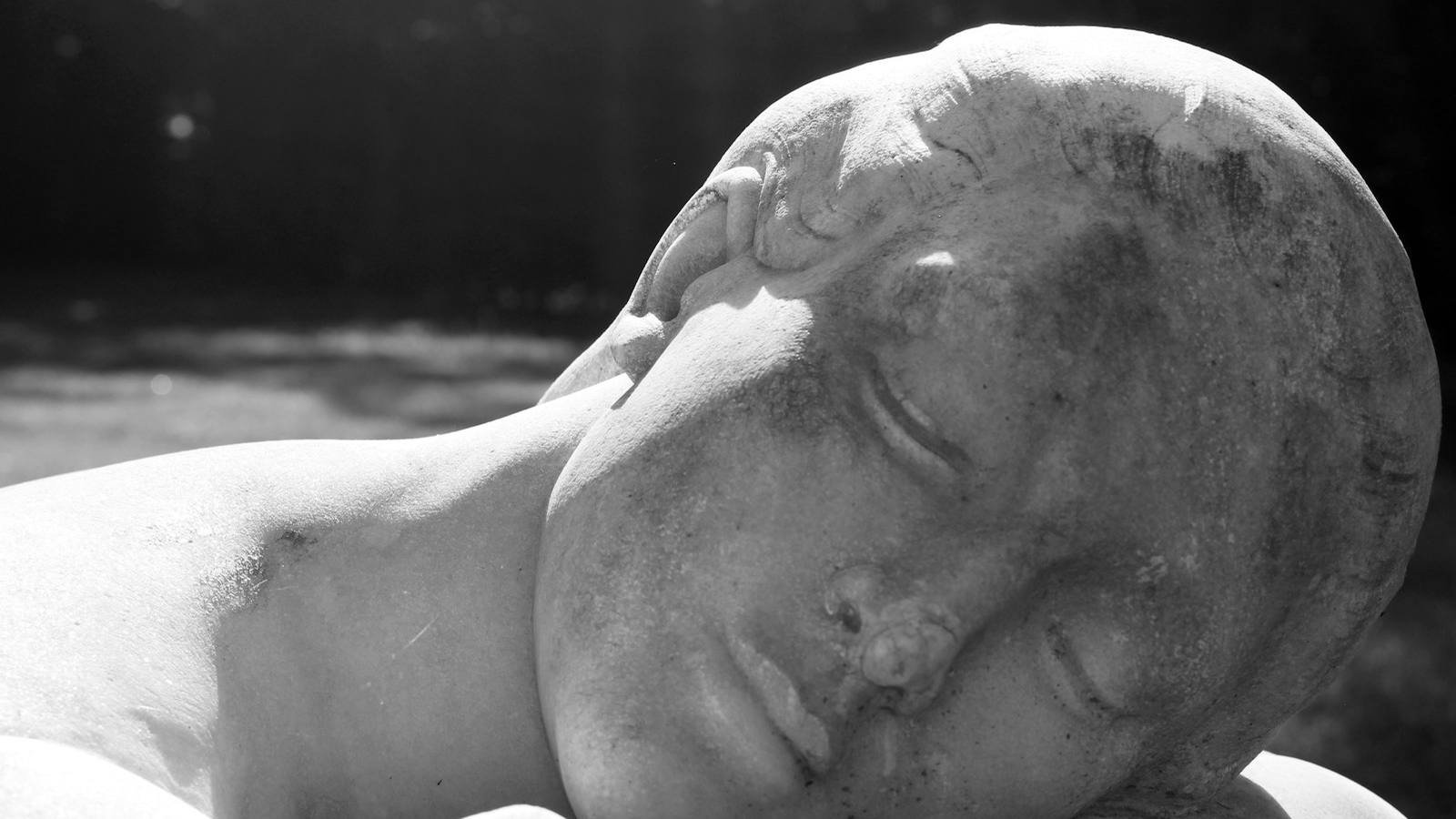
“Sleep that knits up the ravell’d sleeve of care.”
Shakespeare, Macbeth
Eleven at night
Some decisions seem to be made in a meeting at ten in the morning. Many were made earlier, during the night.
While you sleep, the brain does not rest; it works differently. It reviews the day, separates what matters from what can be forgotten, turns experience into memory. It restores the patience the hours have spent. And it does a kind of cleaning, clearing away, above all in deep sleep, substances that built up while you were awake.
People who live under demand tend to treat sleep as the reserve from which time is taken. One more hour of work, one more night flight, one more call with another time zone. It works for a while, and there is even a certain pride in it.
Three in the morning
Then the bill arrives. Not all at once, and not dramatically. It arrives quietly: an irritability that is not yours, a familiar name that will not come, a decision postponed for no clear reason. An appetite for risks you would not have taken before or, on the contrary, a caution that paralyses. Rarely does anyone connect one thing to the other.
A badly slept night does not make anyone visibly less intelligent. What it changes is subtler: the part of the brain that reacts to threats becomes more sensitive, and the part that weighs and restrains becomes slower. The result is someone who reacts more and weighs less. In a difficult conversation, a negotiation, a decision about people, that difference has a price.
There is also what cannot be seen. Pauses in breathing that interrupt sleep dozens of times a night without the person noticing, and that appear only as morning tiredness and, over the years, as high blood pressure. Snoring the family knows about and its owner does not. A glass of wine that helps one fall asleep and worsens the second half of the night. A pill that solves the night and charges for it the next day.
Those who cross time zones often know another face of the problem. The body has its own clocks, spread through the organs, set by light, by mealtimes, by movement. A journey unsettles them all at once, and they realign at different speeds. There are ways to help: light at the right hour, meals on destination time, exercise and, sometimes, a well-chosen short-term aid.
Half past six
Sleeping well is not resting. It is maintaining the mind that decides.
And there is no rule that fits everyone. Some people function well on six hours and some need eight and a half. Some are sharpest late at night and some think clearly only after nine. Some wake at four with their mind already running, unsure whether it is energy or anxiety. Sleep also changes with the years: after forty, deep sleep decreases and awakenings increase, and many people attribute to age what can be treated.
None of this is solved by generic advice. It is solved by looking at your sleep as it is. Today it can be measured precisely, at home, over several nights in a row, and followed over time. With that information, the questions become concrete. Sometimes the answer is to treat something no one had seen. Sometimes it is to move a meeting. Sometimes it is to accept that you are, in fact, an early riser, and to arrange the day in favour of that.
And there is a long-term reason. Everything suggests that deep sleep is one of the ways the brain protects itself over the decades. Caring for it at fifty is also caring for the mind at eighty.
Shakespeare knew this. After the crime, Macbeth hears a voice announce that he has murdered sleep, and from then on none of his decisions is lucid again. The tragedy does not begin with the dagger. It begins with the first sleepless night.
Protecting the night is protecting the next day. And, added together, every day that follows.
Luis Nicaloski · Physician