

A test is a photograph
A photograph shows how you are. Only the sequence shows where you are going.
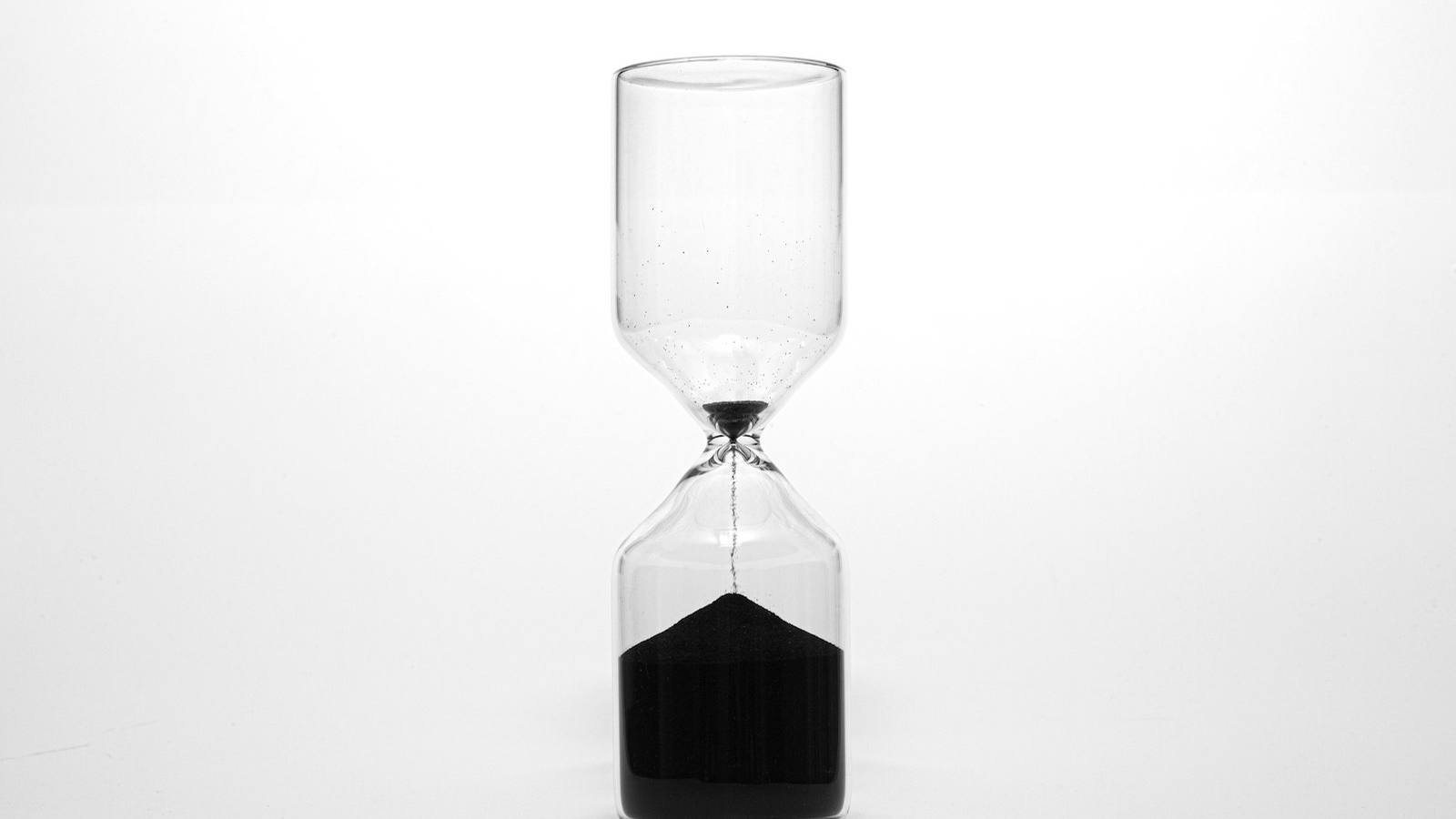
“To every thing there is a season, and a time to every purpose under the heaven.”
Ecclesiastes 3:1
Heraclitus, watching a river, left one of the oldest sentences in philosophy:
“No one steps into the same river twice.”
The waters change, and so does the one who steps in. The body is a river of that kind. Cells renew, hormones fluctuate, the heart adapts, the mind matures. Biologically, you are not the person you were ten years ago. Nor will you be the same ten years from now.
A test, however, is a photograph. It shows how you were on a particular morning, fasting, perhaps after a poor night’s sleep. A value, an image, a number inside or outside a range. On its own, it says little.
The reference range was built from many people, and you are only one. It describes what is common, not what is yours. A normal number may be, for you, the beginning of a change. A number outside the range may be, for you, what it has always been.
Think of someone whose blood sugar has always been 82. One year it comes back at 96. Still within range, and no alarm goes off. But for this person it is a leap. Something has changed: sleep, weight, strain, a new medication, metabolism itself. Seen in isolation, the number reassures. Seen in sequence, it asks for attention, and asks for it now, while acting is still simple.
The opposite also happens. Someone has had, for twenty years, a value slightly above what is expected, stable and without consequence. Seen for the first time, it alarms and leads to an unnecessary investigation. Seen in sequence, it is simply the way that body is.
What reveals is direction. The same tests, done the same way, read by the same person, year after year. The photograph becomes a film, and in the film one sees what no single image shows: where things are heading, and how fast. That is why time is medicine’s most precise instrument. It does not replace technology; it gives it meaning.
There is a simple idea behind this: the best benchmark for you is you. Your own baseline, built while you are well, is the most sensitive reference there is. That is why the best moment to begin is when nothing is wrong. Whoever begins after the first problem has already lost the reference of how things were before.
This does not mean measuring everything, all the time. A good sequence is made of few measures, chosen with judgement and repeated with discipline. Measuring too much produces noise; noise produces false alarms; false alarms produce unnecessary tests. The rigour lies in choosing.
The watches and rings that follow sleep and the heart have greatly extended the film: there are months of data where once there was one morning a year. But data do not interpret themselves. The device records that your heart was faster at night; it does not know whether it was a hard workout, an infection beginning, the wine at dinner or a worry that did not go away. The one who knows is the one who knows your life: what has changed since last time, what happened that year, what you decided and why.
Ecclesiastes says there is a time for every purpose. In medicine there is a time to observe and a time to act, and wisdom lies in recognising which of the two has come.
Those who build things to last know this. No company is judged by a single quarter. No fortune is judged by a single day in the market. Health should not be either.
A photograph shows how you are. Only time shows where you are going.
Luis Nicaloski · Physician